Exoplanet

European Space Agency · CC BY-SA 3.0 igo
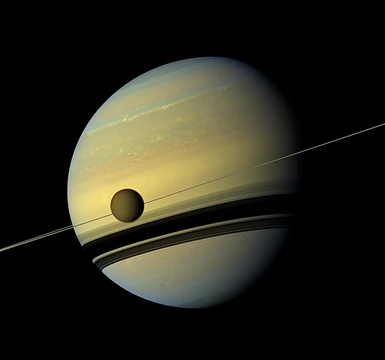
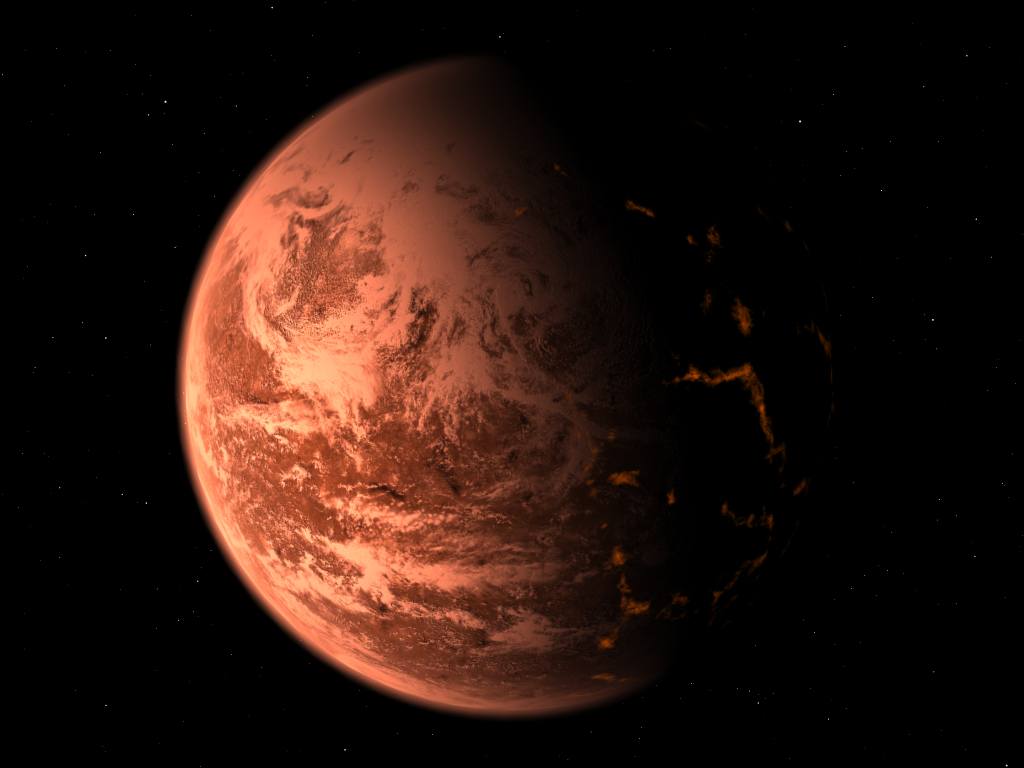
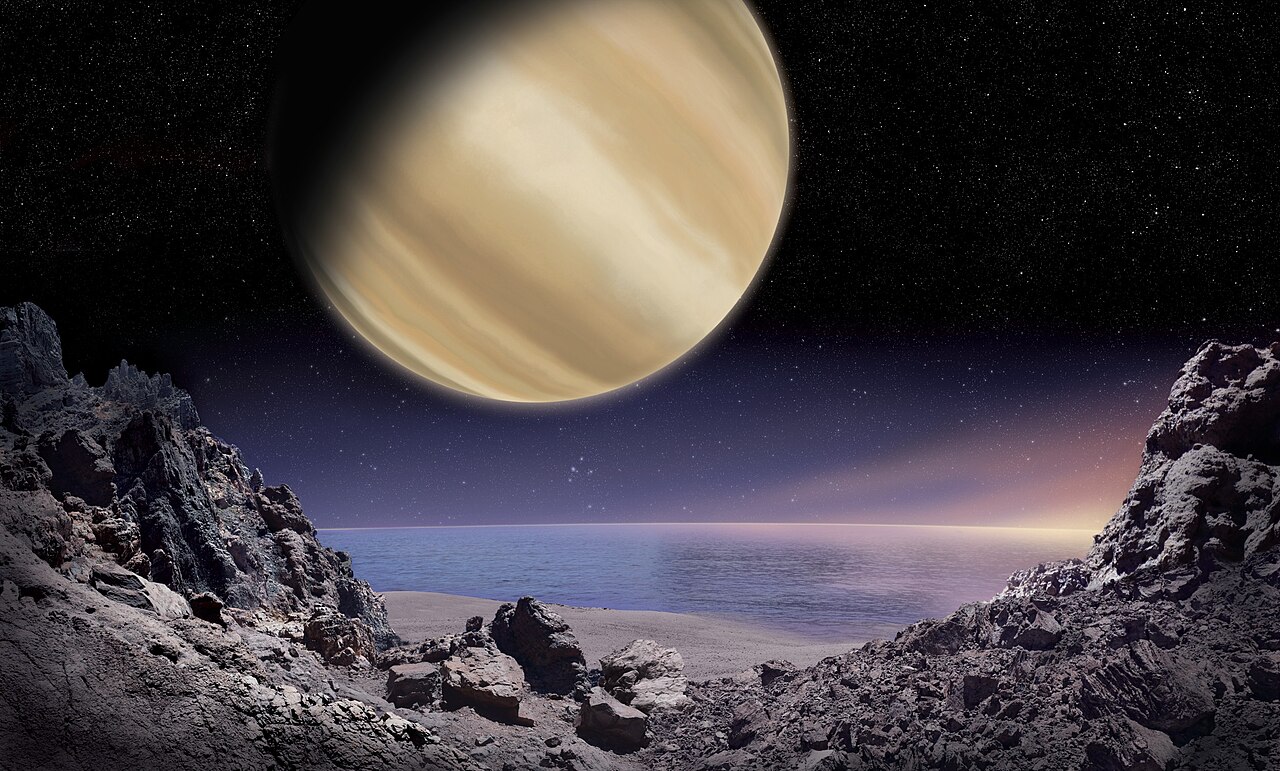
An exoplanet, or extrasolar planet, is a planet located outside the Solar System. The discovery of exoplanets has intensified interest in the search for extraterrestrial life, particularly for planets orbiting in a star's habitable zone where liquid water could exist.
- least_massive_exoplanet
- Draugr (about twice the mass of the Moon)
- nearest_exoplanets
- 4.2 light-years from Earth, orbiting Proxima Centauri
Lore & Background
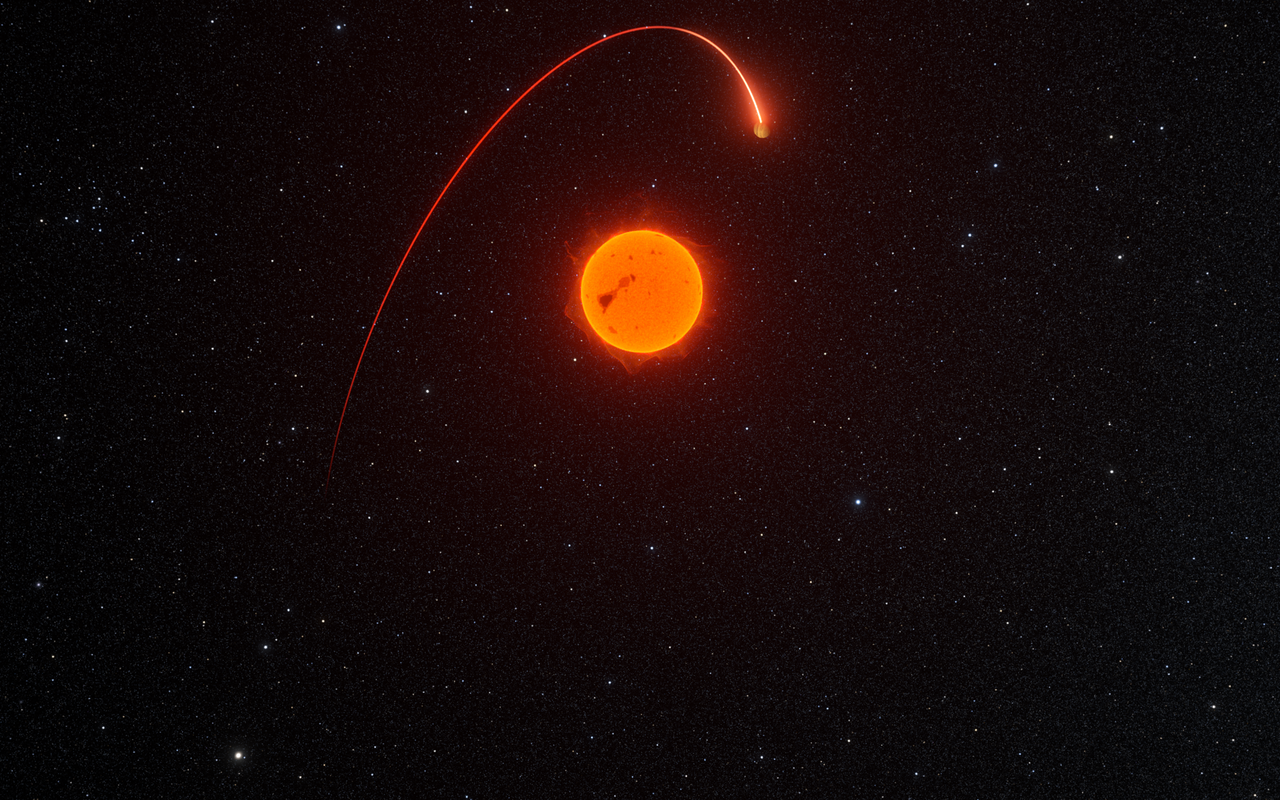
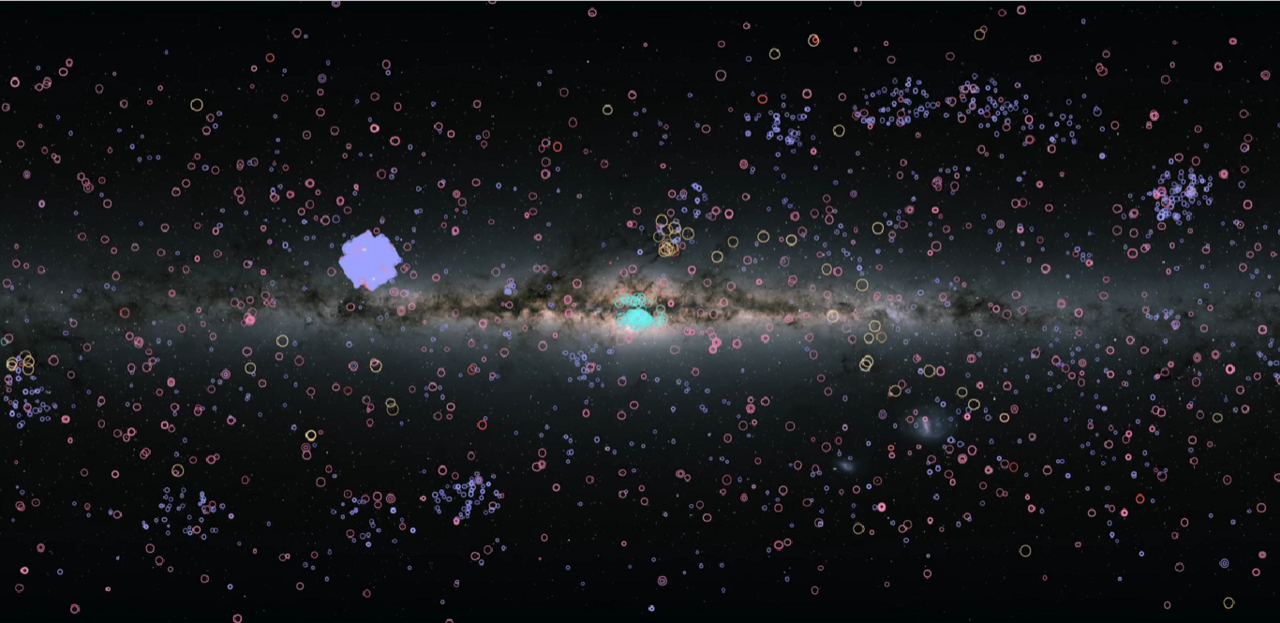
Exoplanets vary widely in mass and orbit. Orbital periods range from less than an hour to thousands of years. Rogue planets, not bound to any star, may number in the billions in the Milky Way. The James Webb Space Telescope is expected to provide further insight into exoplanet composition, environmental conditions, and habitability.
Reader's Guide
Exoplanets have reshaped humanity's understanding of planetary systems and the potential for life beyond Earth. Their discovery confirmed centuries of speculation and opened a new field of astronomy. The IAU's working definition of an exoplanet—objects below the deuterium fusion limit (about 13 Jupiter masses) that orbit stars, brown dwarfs, or stellar remnants—remains a subject of debate, with alternative criteria based on formation or core pressure. The naming convention uses lowercase letters after the star's name, starting with 'b' for the first discovered planet. As detection methods improve, the catalog of exoplanets continues to grow, with the James Webb Space Telescope poised to analyze their atmospheres and habitability. The existence of billions of potentially habitable Earth-sized planets in the Milky Way alone underscores the profound implications for the search for extraterrestrial life.
Did You Know?
- The least massive exoplanet known, Draugr, is about twice the mass of the Moon.
- The nearest exoplanets orbit Proxima Centauri, 4.2 light-years from Earth.
- Rogue planets in the Milky Way may number in the billions.
The Framework for Assessing Habitable Worlds
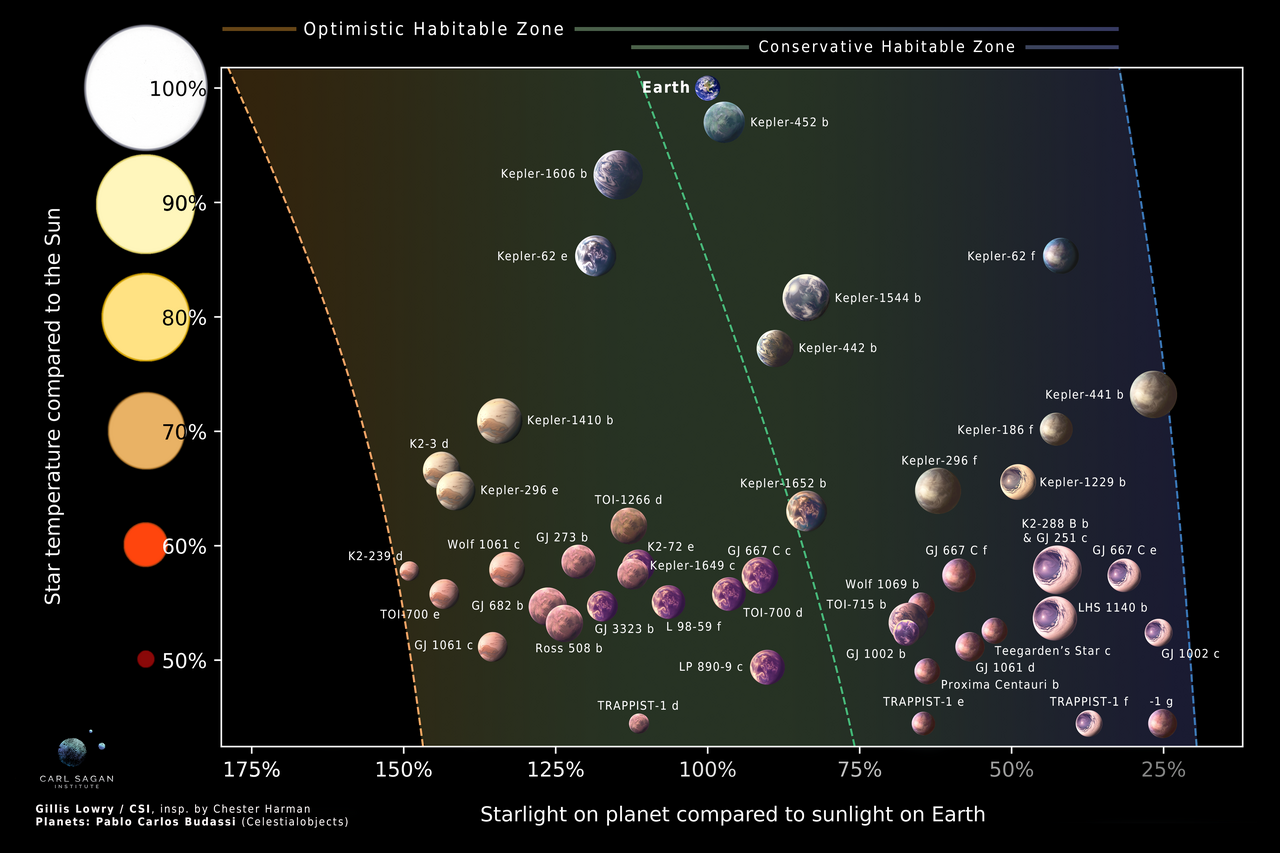
The search for potentially habitable exoplanets rests on a structured framework maintained by the Planetary Habitability Laboratory at the University of Puerto Rico at Arecibo, which curates the Habitable Worlds Catalog. Their work draws heavily on data from the NASA Exoplanet Archive to evaluate which distant worlds might support conditions resembling those on Earth. At the heart of this assessment is the requirement that a planet orbits at a distance from its host star where liquid water could persist on the surface. However, orbital position alone is far from sufficient. Researchers must also weigh geophysical and geodynamical characteristics, the density and composition of any atmosphere, the type and intensity of stellar radiation, and the broader plasma environment surrounding the host star. Together, these factors form a multidimensional picture of habitability that goes well beyond the simple Goldilocks-zone shorthand often used in popular science. The catalog serves as a living document, updated as new observations refine our understanding of which worlds truly deserve a closer look.
Criteria and Caveats for Confirmed Candidates
The primary list of confirmed potentially habitable exoplanets applies specific physical thresholds to narrow the field. A planet must reside within the circumstellar habitable zone of its star and fall below either ten Earth masses or 2.5 Earth radii, criteria chosen because they suggest a plausible rocky composition. Earth itself appears on the list as a baseline for comparison, while Venus and Mars are included purely as reference points. A critical caveat accompanies every entry: placement on this list does not constitute a guarantee of actual habitability. The larger bodies near the upper size limit carry a meaningful risk of being mini-Neptunes rather than true terrestrial worlds, which would dramatically alter their surface conditions. Additionally, some mass and radius figures carry a tilde prefix, indicating they were not directly measured but instead estimated through a mass-radius relationship. This distinction matters because predicted values introduce uncertainty into the habitability assessment, reminding researchers and the public alike that the catalog represents informed estimates rather than settled conclusions.
The Long List of Demoted Candidates
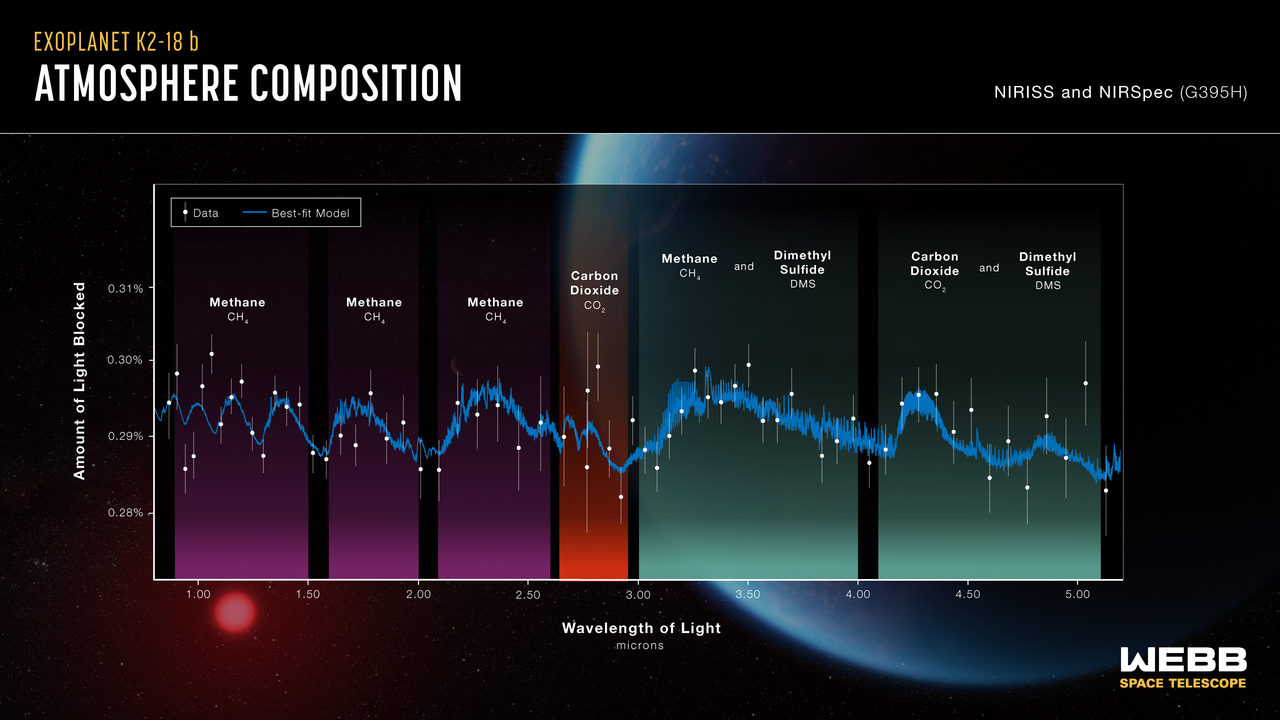
Perhaps the most striking aspect of the habitable exoplanet catalog is how many once-celebrated candidates have since been reclassified. A substantial group of radial-velocity detections, including Gliese 581 d and g, Gliese 667 Ce and f, Gliese 682 b and c, Kapteyn b, Gliese 229 Ac, HD 85512 b, and Gliese 832 c, were questioned by some studies as possible stellar artifacts rather than genuine planets. Others, such as Gliese 180 b, turned out to orbit interior to the habitable zone once better orbital parameters were established. Kepler-438b, initially heralded as a promising candidate, was later found to be subjected to powerful stellar flares capable of stripping a planet's atmosphere, leading to its reclassification as non-habitable. K2-3d and K2-18b, once speculated to be Hycean worlds, were shown by recent studies to be gaseous sub-Neptunes with little prospect for surface habitability. KOI-1686.01 was ultimately proven a false positive by NASA in 2015. This pattern underscores how provisional early claims can be.
How Newer Instruments Reshape the Picture
The trajectory of exoplanet habitability research is deeply shaped by successive generations of observational technology. Kepler-1638b, for instance, was initially validated with a radius below two Earth radii, suggesting a potentially rocky and habitable world. Yet when the Gaia mission provided a more precise parallax measurement of its host star, the planet's radius was revised upward to roughly 3.2 Earth radii, reclassifying it as a likely ice giant with poor habitability prospects. Similarly, Tau Ceti e, HD 85512 b, and Kepler-69c were once considered likely habitable, but improved models of the circumstellar habitable zone led the Planetary Habitability Laboratory to remove them from consideration. At the other end of the spectrum, TRAPPIST-1 d was long regarded as a potentially habitable world until data from the James Webb Space Telescope's NIRSpec instrument revealed little evidence for an atmosphere with Earth-like surface pressure, effectively ruling out habitability. These examples illustrate a recurring theme: each new instrument or refined model has the power to confirm, revise, or entirely overturn earlier conclusions about which distant worlds might one day be visited.
Gallery
Frequently Asked Questions
What is an exoplanet?
An exoplanet is any planet that orbits a star outside our own Solar System. The formal term is "extrasolar planet," though most people simply say "exoplanet."
Why do astronomers care so much about exoplanets?
Discovering worlds beyond the Solar System has supercharged the search for extraterrestrial life, particularly on planets sitting in a star's habitable zone where liquid water could persist. It essentially opened the door to asking whether we are truly alone in the universe.
More in Astronomy 1-24
Spotted an error? Know more?
This is a living reference — every entry is fact-audited, and reader corrections feed straight into our audit queue. Suggest an edit · See this site's audit record